

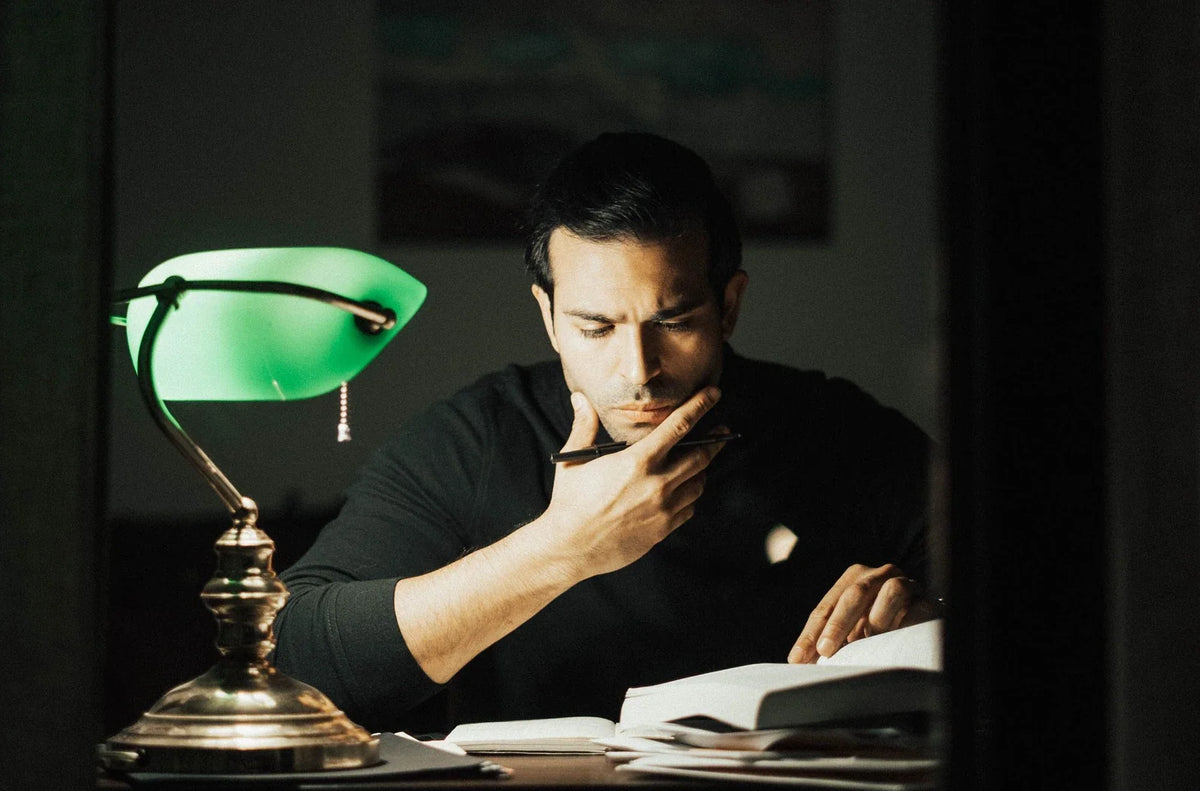
Sleep helps you remember what you learn, but it does not do the learning for you. Sleep before a lesson supports your ability to take in new information; sleep afterward helps memories become more stable. A useful plan makes room for all three: learning, sleep, and another chance to practice.
That matters when you are deciding whether to close the notes or push through another hour. Time spent asleep is not simply time taken away from studying. It is part of the conditions that make studying worthwhile.
There are two different moments to protect
First comes encoding: taking in an experience or piece of information. Later comes consolidation: processes that help a new memory become more stable. Retrieving it—recalling the answer without looking—is another part of learning.
These are useful distinctions, not three switches you can operate independently. If you barely take something in while exhausted, a later night of sleep cannot be assumed to fill in the missing lesson. And understanding something once does not mean you will never need to revisit it.
Sleep before learning: a small study with a clear warning
In a 2007 study by Seung-Schik Yoo and colleagues, 28 people were assigned either to sleep normally or to stay awake before viewing pictures during a brain scan. The sleep-deprived group had been awake for about 35 hours when they studied the pictures.
Both groups took a recognition test two days later, after two recovery nights. Those who had missed sleep before learning had poorer subsequent recognition and lower activity during learning in the hippocampus, a brain region important for memory.
This was a small laboratory experiment involving substantial sleep deprivation. It does not tell us the exact cost of going to bed half an hour late, or predict anyone's exam mark. It does show why “I will catch up after I have learned it” is not a dependable strategy: later sleep did not erase the difference in this task.
Sleep after learning: keep the next practice session
A 2016 study led by Stéphanie Mazza looked at 40 adults practicing foreign vocabulary in two sessions 12 hours apart. One group learned in the morning and practiced again that evening. The other learned in the evening, slept, and returned the next morning.
The group that slept between sessions needed less practice to relearn the material and showed better retention at later tests. The important detail is that they still practiced again. Sleep was part of a learning schedule, not a replacement for one.
The study used a specific vocabulary task in a small group. The groups also learned at different times of day. Its result is a reason to leave sleep between some study sessions, not a promise that every subject will take half as long—or that you should move all learning to bedtime.
You do not need to chase a particular sleep stage
Memory is not a reason to set alarms around a supposedly perfect cycle or try to maximize one stage on a watch. The NIH's explanation of sleep describes both REM and non-REM sleep as contributing to learning and memory. The mix changes across the night.
Protect an adequate opportunity for sleep rather than treating its stages as a timetable you must get right. NHLBI recommends about seven to nine hours for adults, with individual needs and circumstances varying. That is general sleep guidance, not a special memory dose or a guarantee of uninterrupted sleep.
A practical study–sleep–review plan
Here is one way to put the distinction into an ordinary evening. The steps are practical suggestions, not a tested prescription for every learner.
- Choose a small piece to learn. A few vocabulary terms, one worked example, or the main points of a presentation are more manageable than an open-ended promise to finish everything.
- Check what you can recall. Close the page and try to explain it or answer a question. Then check the answer and correct the gap. This gives tomorrow's review something specific to return to.
- Leave a return point. Write down the page, problem, or question to revisit. Stop before the session consumes the time you meant to leave for sleep.
- Change activities before bed. Put the study materials away. If reading for pleasure helps you settle, keep it separate from memorizing; our guide to reading before bed covers that different goal.
- Return after sleep. Try the questions before opening the answers, then practice what still needs attention. A gap is useful feedback, not proof that the night failed.
If you share a room, agree on a stopping point for the desk lamp and keyboard. NHLBI's sleep guidance recommends a quiet, cool, dark bedroom and time to wind down. For someone who wants eye coverage when stray light remains, Mellooa's Weighted Sleep Mask is a gently weighted wraparound option. It is a comfort choice, not a memory aid or a substitute for turning off an unnecessary light.
What if last night was already short?
Do not turn one rough night into a verdict on your ability to learn. Make today's workload more explicit: smaller sections, a written record of important points, and another opportunity to review. Do not mistake familiarity with the material for being able to recall it later.
A quiet break can be worthwhile, but it is not interchangeable with sleep. Our explanation of resting with your eyes closed versus sleeping separates those two things. If your nights are regularly difficult or sleepiness interferes with daily life, speak with a healthcare professional rather than building an ever more elaborate study routine around the problem.
For tonight, the useful aim is modest: learn something while you can engage with it, leave room for sleep, and come back to it. You do not need to stay awake to prove that you care about remembering.


Share:
Does Sleeping Naked Help You Sleep? An Honest Look
Does a Humidifier Help You Sleep? What to Know Before You Run One