

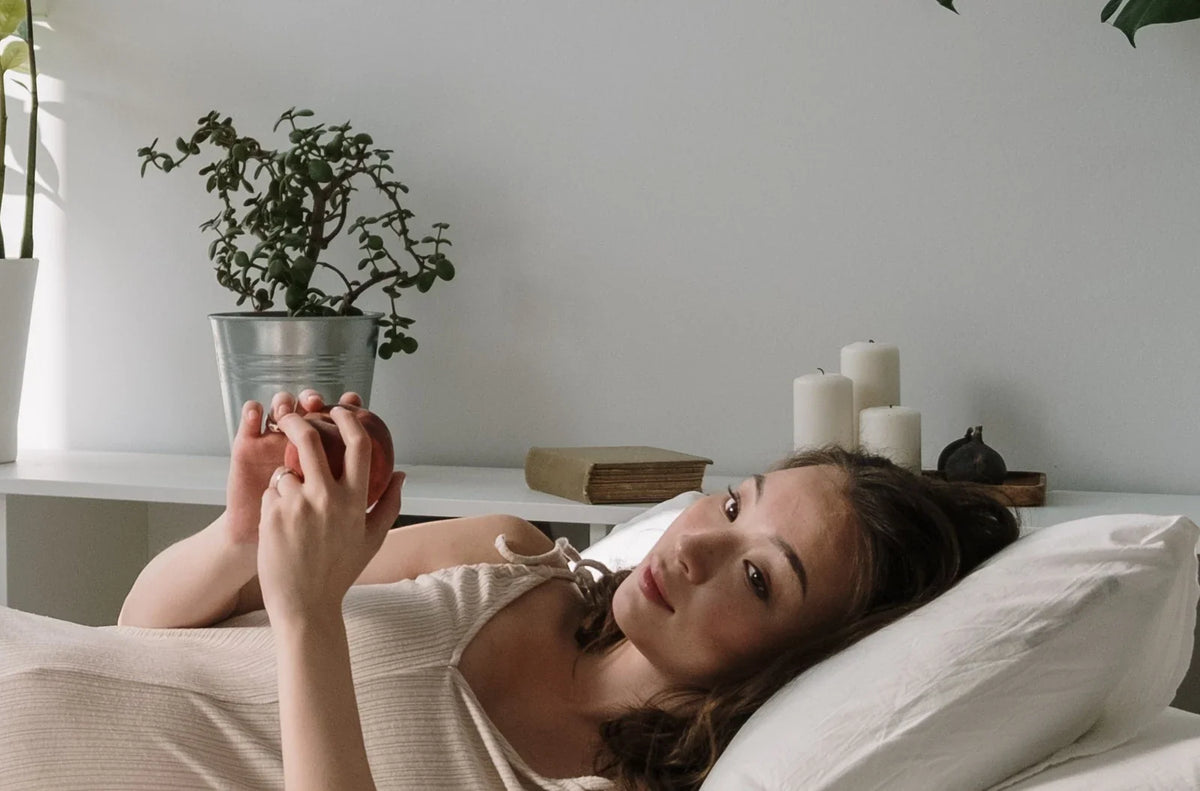
A plant can make a bedroom feel more welcoming. That is a good enough reason to have one. It does not, however, make a bedside pot a proven sleep aid, an air purifier, or a source of extra oxygen that will help you sleep through the night.
If you are choosing greenery for your bedroom, start with a simpler question: will this plant make the room more pleasant without adding light, damp soil, clutter, or another chore you do not want?
Can bedroom plants actually improve sleep?
Research on greenery and relaxation is encouraging, but direct evidence for better sleep from an ordinary bedroom houseplant remains limited. The distinction matters because tending a garden, looking at greenery, and sleeping beside a potted plant are different experiences.
In a small randomized crossover study, 24 young men spent 15 minutes transplanting a plant or doing computer work. They reported feeling more comfortable and relaxed after the plant task. The study did not measure sleep, and it cannot tell us whether leaving a plant on a nightstand changes how long or how well someone sleeps.
There is also emerging sleep-related research. A 2024 feasibility study involved 30 people with sleep problems taking part in repeated horticultural activities. All groups did those activities, using different plant categories. That is not the same as comparing bedrooms with and without a plant.
For everyday decisions, the useful conclusion is modest: greenery may be a pleasant part of winding down, but you do not need a particular “sleep plant,” and you should not expect one to treat ongoing sleep difficulties.
What about plants that clean the air?
A few houseplants are not a practical substitute for dealing with indoor pollution. The US Environmental Protection Agency says that reasonable numbers of houseplants have not been shown to remove significant amounts of pollutants in homes and offices.
Part of the confusion comes from laboratory experiments. A plant inside a small sealed chamber is not operating under the same conditions as a bedroom. In a review of potted-plant studies, researchers compared laboratory removal of volatile organic compounds with air exchange in real buildings. Their analysis helps explain why a successful chamber experiment does not make a handful of pots an effective room-cleaning system.
If the bedroom feels stuffy or has a persistent smell, investigate the cause rather than adding plants to cover it up. Reducing pollution sources, bringing in clean outdoor air when appropriate, and using suitable filtration address different parts of the problem. An open window is not always the right answer: outdoor smoke, traffic pollution, pollen, noise, and temperature can change the trade-off. Our guide to sleeping with a bedroom window open explains what to weigh.
Do snake plants give you oxygen at night?
“Releases oxygen at night” is often used as a reason to buy a bedroom plant. It is not a useful basis for choosing a sleep aid.
Plants respire, while oxygen-producing photosynthesis depends on light. Some plants use CAM metabolism, taking in carbon dioxide at night and storing it for use in photosynthesis during the day. Arizona State University's explanation of CAM plants describes this adaptation. Nighttime carbon-dioxide uptake should not be confused with proof of an overnight oxygen boost for the sleeper.
You do not need to buy a snake plant for your breathing, or worry that an ordinary bedroom plant is competing with you for the room's air. Choose for the space and the care involved, not a promise about oxygen or deeper sleep.
How to choose a plant that suits your bedroom
- Check the daylight first. A plant described as tolerant of low light still needs light. Match its needs to the actual window and location, not the room in a photograph. University of Minnesota Extension explains how indoor light affects plant growth.
- Keep nighttime dark. If the plant needs a grow light, arrange its light schedule so the bedroom is dark while you sleep. A plant should not require sacrificing a comfortable sleep environment.
- Avoid persistently wet soil. Use an appropriate pot with drainage and water for the species and conditions. The EPA cautions that overly damp soil can encourage microorganisms that affect people with allergies. This is a reason for sensible care, not a reason to fear every houseplant.
- Check the exact species if you have pets. The ASPCA lists snake plant as toxic to cats and dogs, while its spider plant entry lists it as non-toxic. Non-toxic does not mean edible or guaranteed not to upset a pet's stomach. Check the botanical name before buying.
- Leave useful space clear. Keep the plant stable, away from bedding and electrical equipment, and out of a dark walking route. One well-placed pot can be more comfortable to live with than a crowded bedside jungle.
A calmer room does not have to become another project
If watering a plant feels like a small, enjoyable pause in your evening, keep it. If caring for one becomes a source of guilt or worry, there is no sleep-related obligation to own it. You can enjoy a restful room without any living greenery.
Scent is a separate choice, too. A lavender plant, lavender fragrance, and an intervention using lavender oil are not interchangeable. If you are interested in that question, read what research says about lavender and sleep rather than assuming that a fragrant plant will produce the same results.
For the bedroom itself, keep the basics ahead of decoration. The National Heart, Lung, and Blood Institute recommends a consistent sleep schedule, quiet time before bed, and a cool, quiet, dark bedroom. If excess warmth is keeping you uncomfortable, making the room cooler is a more direct change than buying greenery; our guide to a cool bedroom explores that connection.
A plant can belong in a bedroom because you like looking at it. Let it be something lovely to come home to, rather than another thing that has to fix your sleep.



Share:
Does Stretching Before Bed Help You Sleep?
Foam vs Silicone Earplugs for Sleeping: Which One Should You Choose?