

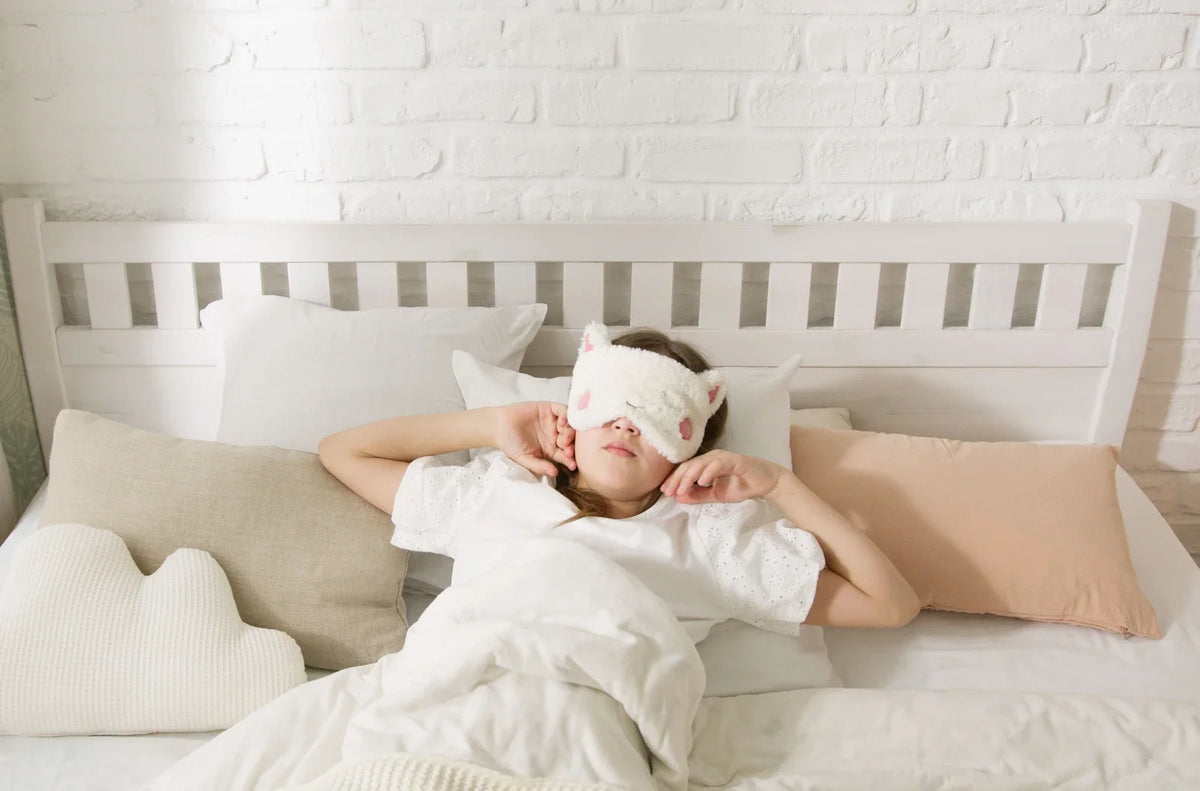
Travel can give you unwanted light, unwanted sound, both, or neither. Start there when deciding whether to pack a sleep mask, earplugs, both, or nothing at all.
A sleep mask answers a light problem. Earplugs answer a sound problem. They are not interchangeable, and carrying both does not guarantee that you will sleep on a flight or in a hotel. A better way to decide is to map the actual trip: when you plan to rest, what the light is likely to do, what the sound is likely to do, and which announcements, alarms, people, or safety cues you still need to notice.
This is a packing guide, not a jet-lag treatment plan.
Inventory light and sound separately
Before opening a shopping page, write two short lists. Under light, note cabin lights, reading lamps, sunrise, hotel curtain gaps, hallway light, a roommate’s phone, or any light you expect during the period you want to rest. Under sound, note engine or road noise, announcements, corridor voices, doors, roommates, alarms, or a travel partner’s schedule.
Then mark each item as one of three types:
- Unwanted: something you would prefer to reduce during a planned rest period.
- Necessary: something you need to see or hear, such as an alarm, boarding call, crew instruction, child, partner, door alert, smoke alarm, or medical alert.
- Uncertain: a condition you cannot predict before arrival.
This prevents a common mistake: buying a “complete travel sleep kit” before checking whether the trip actually presents two problems. A daytime train with no planned nap may require neither. A quiet room with an east-facing curtain gap may call for a mask only. A dark hotel near street traffic may call for earplugs only. A red-eye flight or shared room may present both light and sound, but the sounds you need to hear still come first.
Use the four-box packing map
| Expected conditions during rest | Starting route | What must still be tested |
|---|---|---|
| Unwanted light, little unwanted sound | Sleep mask only | Fit, pressure, heat, movement, removal, and whether you need to see a cue quickly |
| Unwanted sound, little unwanted light | Earplugs only | Correct fit, comfort, removal, and necessary-sound awareness |
| Both unwanted light and unwanted sound | Test both together | Combined comfort, interaction with headphones or pillow, removal sequence, and necessary cues |
| Neither problem is likely, or awareness matters more | Pack neither for that rest period | Keep a backup only if uncertainty justifies the space |
The word starting matters. A route can fail. A mask can add pressure, heat, or a fit problem. Earplugs can feel wrong, move, become hard to remove, or reduce a sound you needed to notice. “Both” has the most variables to test, so it isn't automatically the strongest choice.
For a flight, decide when you are actually trying to rest
Do not put on the gear simply because the plane has taken off. Choose a planned rest window that fits the destination schedule and the instructions around you. CDC Yellow Book guidance on jet lag says to time sleep, meals, and light exposure around the destination time zone. One example notes that an eye mask and ear plugs may help during an in-flight nap. That is a limited “may help” statement inside a timing strategy, not a promise that the products prevent jet lag or create sleep on demand.
On a flight, work through the sequence:
- Confirm the rest window. If you need to stay awake for destination timing, the correct route may be no mask and no earplugs.
- Finish the information-heavy part first. Listen to safety instructions, note the expected service or arrival timing, and follow crew directions.
- List the cues you still need. Decide whether you need to hear a crew member, travel partner, alarm, or connection reminder.
- Test access and removal. You should be able to remove both items normally without searching under the seat or disturbing another traveler.
- Use only the route that fits the actual problem. Cabin light without a sound problem does not automatically require earplugs. Engine noise without a light problem does not automatically require a mask.
If you use powered audio or noise-cancelling headphones, that is a different route from passive earplugs. It adds battery, audio, bulk, sleeping-position, and announcement questions. Use the separate comparison of earplugs versus noise-cancelling headphones for sleep instead of treating the two as interchangeable.
For a hotel, inspect the room before using both
A hotel room gives you more control than a plane. Before covering your eyes or reducing sound, spend two minutes on the room itself.
- Close the curtains fully and check the center seam, side edges, door gap, smoke-detector light, television standby light, and bathroom light.
- Turn off avoidable devices and move charging screens away from the bed.
- Identify sound sources: ventilation, street, lift, ice machine, corridor, connecting door, or a roommate’s schedule.
- Set and test the alarm method you intend to use.
- Locate the door, phone, bathroom path, and a place to store the mask and earplugs where they stay clean and easy to reach.
After the room check, return to the map. If the curtain fix solves the light, the mask may become optional. If a room move or ventilation adjustment solves the sound, earplugs may become optional. If a permanent room change is not available, a personal light or sound route can still be useful. The point is to avoid adding two devices when one room correction solves the real problem.
For a deeper hotel-light troubleshooting process, see the separate guide to fixing the actual light source in a hotel room. This article sticks to the packing decision.
For a shared room, add an awareness agreement
In a hostel, shared hotel room, sleeper cabin, or family stay, your setup affects more than you. Ask what will happen while you rest: who is arriving late, who is leaving early, whether someone needs access to lights, whether a child or dependent may call, and how an emergency or schedule change will be communicated.
Make a simple agreement before using both items. For example: “Wake me by touching my shoulder if the alarm does not work,” or “I will leave the mask off until everyone has returned.” The exact plan depends on the people and situation. Either way, gear shouldn't replace a plan for how you'll be reached.
If you cannot form a responsible awareness plan, choose the more reversible route. A mask can usually be lifted quickly to restore vision. Earplugs can be removed, but sound awareness depends on fit, the signal, distance, room acoustics, and the individual. Do not promise yourself that you will “probably hear it.”
Test the combined setup while awake
Test before departure, not for the first time after the cabin lights dim. Use the exact mask, earplugs, pillow or head support, alarm method, and sleeping position you expect to use.
- Test the mask alone. Check that it does not create sharp pressure, cover your nose, slip immediately, or become difficult to remove.
- Test the earplugs alone. Follow their fitting instructions. Check comfort, stable fit, normal removal, and the necessary sounds you planned to monitor.
- Test both together for ten minutes. Turn your head, sit upright, recline, and use the real pillow or travel support. Notice whether the mask band changes earplug pressure or whether the earplugs change how the mask sits.
- Run the awareness check. Use an ordinary, noncritical version of the alarm or cue while awake. A passed check is information for that setup, not a guarantee for every environment or emergency.
- Practice removal. Remove both in the order that feels natural. Stop if anything catches, becomes painful, or is difficult to remove normally.
CDC/NIOSH guidance on hearing protection emphasizes that fit and comfort vary by person and that communication needs matter. The source is written for occupational settings; here it supports only one cautious point: don't judge your fit, comfort, or awareness by a product category or another traveler’s review.
Stop the test if either product causes pain, sharp or increasing pressure, skin or ear irritation, breathing interference, persistent fullness, difficult removal, or a safety concern. Seek appropriate professional advice when symptoms persist, recur, are severe, or concern you. This packing check does not diagnose or treat a condition.
Pack the small system, not just the objects
A useful travel kit also includes what keeps the products usable:
- a clean, breathable pouch or separate cases;
- the correct earplug tips or sizes supplied for the product;
- the manufacturer’s cleaning and care instructions;
- a tested alarm or wake-up plan;
- a clear place in your personal item, not a checked bag or an inaccessible overhead case;
- a no-device backup plan for times when fit, awareness, or the environment changes.
Do not make last-minute modifications to force packability. Do not trim a mask band, reshape an earplug, insert a device more deeply, or store damp items in a sealed pouch unless the manufacturer explicitly supports that action. A compact kit doesn't help if you've compromised the fit or care.
Where Mellooa may fit—and where it may not
If your map identifies both a personal light-control need and a personal sound-reduction need, Mellooa currently has two separate products. The Mellooa Weighted Sleep Mask is a wraparound mask offered in standard and personalized editions, and the Mellooa QuietFit Earplugs is a reusable silicone option.
That doesn't mean you need both. Choose the mask route only if personal light control fits the trip and the wraparound form passes your pressure, heat, movement, and removal check. Choose the earplug route only if reusable silicone fits your preference, the instructed fit is comfortable and removable, and your necessary-sound plan is responsible. Test both together only when both problems exist.
Choose another product or no product when you need a different mask construction, disposable earplugs, certified occupational hearing protection, full access to visual or audible cues, medical guidance, or simply no gear at all. For mask-only selection details, use the separate travel sleep-mask buyer checklist.
FAQ
Do I need both earplugs and a sleep mask for travel?
Only if the trip is likely to bring both unwanted light and unwanted sound during the time you plan to rest. A bright cabin with little noise may call for a mask alone, and a dark hotel room on a busy street may call for earplugs alone. If you do pack both, try them together at home first so you know they're comfortable and easy to take off.
Can I bring earplugs and a sleep mask in my carry-on?
Yes, in most cases. Neither one is a liquid or a sharp item, so they normally go through airport security in your personal item without trouble. Keeping them there, rather than in a checked bag, also means you can reach them once you're seated. Rules can vary, so check with your airline or airport if you're unsure.
How do I pack earplugs and a sleep mask so they stay clean?
Pack them dry, each in its own clean bag, somewhere easy to reach. QuietFit earplugs come with a storage bag, which keeps the tips away from lint, coins, and toiletries. Never seal either item in a bag while it's still damp, and follow each product's care instructions if you need to wash it during the trip.
Pack one, both, or neither
Pack the mask only when unwanted light is the real problem, sound is acceptable, and the mask passes your fit and awareness checks.
Pack earplugs only when unwanted sound is the real problem, light is acceptable, the earplugs fit according to instructions, and necessary sounds have a responsible plan.
Pack both when both light and sound are likely during a planned rest window and the combined awake test passes without pressure, removal, or awareness problems.
Pack neither when the trip does not present either problem, when staying alert matters more, when room changes solve the issue, or when the setup does not pass.
The best travel sleep kit is the smallest tested setup that matches the actual light, sound, timing, and awareness needs of that trip.



Share:
How to Sleep With Traffic Noise: The Window, Earplugs and Streetlight Glare
Personalized Sleep Masks for Bridesmaids: Plan the Group Details