

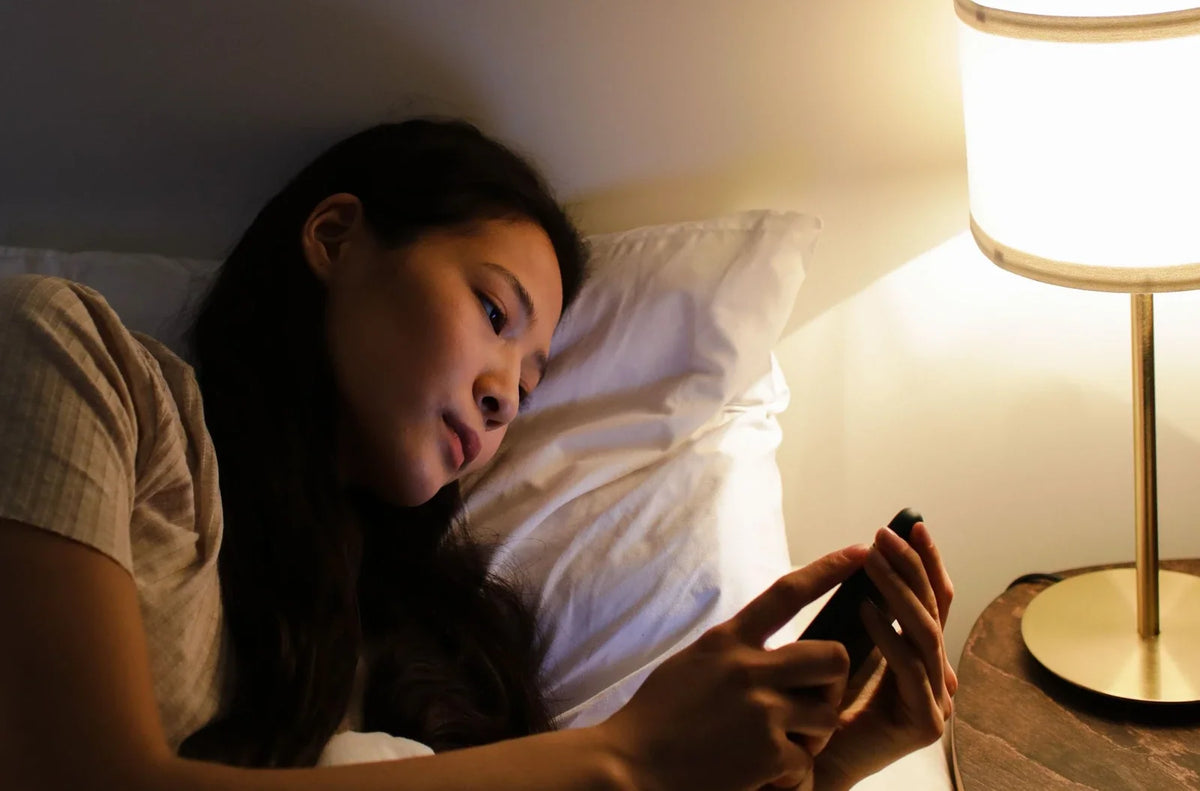
You know the feeling. At nine in the evening your eyes are heavy and the couch feels like the best place in the world. By eleven, you are wide awake, full of ideas, and ready to start a project, answer messages, or watch one more episode. Nothing changed except the hour. So why did your tiredness leave?
A second wind is a normal part of how the body clock works. In the hours before your usual bedtime, your brain sends out a strong stay awake signal, even while the pressure to sleep has been building all day. The two signals cross, and for a while the stay awake signal wins. That is why you can feel sleepy, then wired, then sleepy again, all in one evening. It is not a sign that you suddenly need less sleep. It is a sign that your timing slipped past your first sleepy window.
What a second wind actually is
Sleep researchers call the late evening alert peak the wake maintenance zone. It is sometimes called the forbidden zone for sleep, because falling asleep during it can feel strangely hard even when you are tired. The zone usually sits in the one to three hours before your habitual bedtime, though the exact timing moves from person to person.
The idea behind it is simple once you see it. Your body does not run on one sleep signal. It runs on two forces that work against each other all day.
The first force is sleep pressure. From the moment you wake up, a chemical called adenosine builds up in the brain. The longer you stay awake, the stronger the pressure to sleep becomes. Sleep clears it away, which is why a good night leaves you feeling reset. Caffeine works by blocking the receptors adenosine uses, which is why coffee can hide tiredness for a while without removing it.
The second force is your circadian rhythm, the roughly 24 hour clock in the brain that schedules alertness, body temperature, and hormones. This clock does not simply wind down toward bedtime. It has peaks and dips, and one of its peaks arrives in the evening. During that peak, wakefulness signals stay high while sleep promoting signals, including melatonin, have not fully risen yet.
So in the early evening, you have a brain full of sleep pressure and a clock that is still saying stay awake. For a few hours, the clock wins. Then the clock relents, melatonin rises, and the stored sleep pressure finally takes full effect. That is the moment the second wind breaks and sleepiness rushes back in, often all at once.
It helps to think of the second wind as a scheduled event, not a personal failure. Your ancestors may have used that last burst of evening alertness to finish the day's work, eat, and make camp safe before dark. The rhythm survived even though the chores changed. Today the same surge arrives while you are sitting on a couch with a phone in your hand, and it feels like restlessness instead of usefulness.
Why it feels so backwards
The confusing part is the order. Tiredness is supposed to grow steadily until sleep, like a dimmer switch sliding down. Instead, many people feel a dip in the early evening, a surge late in the evening, and then a crash after midnight. If you did not know about the wake maintenance zone, you would reasonably conclude that your body changed its mind about sleep.
What usually happens is quieter than that. You feel the first wave of sleepiness around nine or ten, and you ignore it. Maybe you are finishing a show, answering one last message, or waiting for someone else to go to bed. The wave passes. Once it passes, the alert peak takes over, and you feel awake enough to keep going. An hour or two later, sleepiness returns, but now it is later than you planned, and the night feels shorter.
This is also why a second wind can turn into a habit. Staying up through the sleepy wave teaches your schedule a new bedtime. The next night, the alert peak arrives at the same late hour, and the pattern repeats. Putting off bedtime night after night works the same way, even when you know you are tired. The body clock is not broken. It is following the timing you gave it.
What stretches the second wind out
A second wind is normal, but several ordinary evening habits can make it longer and stronger.
Bright light is the biggest one. Light is the main signal that sets the body clock, and bright overhead lights and screens in the evening tell the brain that daytime is still going on. That can delay the rise of melatonin and stretch the alert peak further into the night. Dimming the lights in the last hour before bed does not force sleep, but it stops sending the wrong time signal.
Stimulating content does similar work. A tense show, an argument in a group chat, a fast game, or a scroll through alarming news all raise arousal at exactly the hour when arousal should be falling. The content does not need to be upsetting to count. Anything that demands quick reactions or strong opinions keeps the mind in daytime mode.
Late caffeine is another common stretcher. Caffeine blocks adenosine, so it can hide the sleep pressure that would otherwise help you feel drowsy. A coffee in the late afternoon can still be active in the evening, and the effect is easy to miss because you do not feel jittery, only less sleepy than you expected.
Late intense exercise can do the same for some people. Movement earlier in the day supports sleep for most people, but a hard workout close to bedtime raises body temperature and alertness, and for some people that push lasts into the night. Gentle movement, like a slow walk or easy stretching, is a different matter and does not carry the same effect.
Stress and worry belong on the list too, though they work in a different way. A second wind is a clock event, but worry can keep the mind busy once the wind arrives. Lying in bed rehearsing tomorrow's conversation gives the alert mind something to chew on, and the more it chews, the longer wakefulness lasts. This is not the same as a clinical problem. It is the ordinary result of bringing the day's unfinished business to bed.
Irregular timing rounds out the picture. Sleeping in very late on weekends, napping long in the late afternoon, and keeping a different bedtime every night all blur the clock's sense of when night begins. When the clock is unsure, the alert peak can land later than you want it to, and the sleepy wave becomes harder to catch.
A second wind is not the same as being a night owl
It is worth separating two things that look alike. A second wind is a short alert peak that most people pass through in the evening. A night owl pattern is a body clock that runs later overall, so the whole cycle, including the alert peak and the sleepy wave, sits later in the night.
Night owls often find their second wind lasts longer and lands later, and they may find it comparatively harder to fall asleep early. Morning types may pass through a shorter alert peak and feel sleepy earlier. Neither pattern means something is wrong with you. It does mean that copying someone else's bedtime can backfire. If your clock runs late, forcing an early bedtime can leave you lying awake through your own alert peak, which feels like insomnia but is mostly mistiming.
What matters is the shape of your own evening. If you feel a clear wave of sleepiness and then a surge, that is the second wind doing its usual work. If you never feel sleepy until very late every night, and early mornings leave you exhausted for weeks, that is a timing question worth looking at over time, not a verdict you can reach from one late night.
How to catch the sleepy window
You cannot switch off the wake maintenance zone, but you can stop missing the window that comes before it. The practical move is to treat the first wave of sleepiness as an appointment, not a suggestion.
When your eyes start to feel heavy and your thoughts slow down in the evening, that is the signal to start winding down, not to start one more thing. Change into night clothes, dim the lights, and move to low stimulation activities: a paper book, a quiet conversation, a slow tidy of the room. The point is not to perform a perfect routine. It is to avoid giving the brain a new reason to wake up just as it was preparing for sleep.
Keeping a steady wake up time helps more than keeping a perfect bedtime. The clock sets itself largely by when you get up and when you see morning light. A regular wake time, even on weekends, gives the evening alert peak a stable place to land, and over days the sleepy wave becomes easier to predict. Morning light soon after waking strengthens the same signal.
If you are already wide awake and it is well past your usual bedtime, lying in bed and trying harder rarely helps. Getting up for a short while, keeping the lights low, and doing something calm and dull until sleepiness returns is often kinder than wrestling with wakefulness in the dark. When sleepiness comes back, go back to bed. The aim is to let the bed stay linked with sleep, not with long stretches of alert thinking.
A dark, cool, quiet room supports all of this, but it cannot do the timing work on its own. A sleep mask handles light, and light is only one input. It does not move the body clock earlier, and it does not remove a second wind. Its job is smaller and honest: it keeps morning light and hallway light out of your eyes once you are actually trying to sleep.
What tends to make it worse
A few responses feel logical in the moment and usually backfire. Starting a new project because you suddenly feel energetic spends the alert peak on work that could wait, and it pushes bedtime later still. Reaching for another coffee to push through tiredness hides sleep pressure without shortening the alert peak, so the crash lands later and harder. Turning all the lights up to stay productive tells the clock that night has not started yet. Scrolling until you feel tired again can work eventually, but it often works by exhaustion rather than by timing, and the sleep that follows can feel shallow at first.
A late heavy meal can add discomfort to the mix, though it is not the main driver of a second wind. If you eat close to bedtime and then lie down feeling full, the discomfort alone can keep you awake after the alert peak has passed. A small, plain snack is a different matter from a full late dinner, and the distinction matters more than any single rule about the clock.
The pattern to avoid is simple to state and hard to practice: do not reward the second wind with the most stimulating thing in the room. The wind will pass on its own. What you do during it decides whether bedtime moves by twenty minutes or by two hours.
When it is worth talking to a clinician
An occasional second wind is ordinary. It becomes worth a conversation with a clinician when the pattern is persistent and costly: trouble falling asleep most nights for weeks, loud snoring with pauses in breathing, extreme daytime sleepiness that interferes with work or driving, or a low mood that will not lift. Those signs do not diagnose anything on their own, and this article is general information, not medical advice. But they are the points where personal timing tricks stop being enough and a professional view helps.
It is also worth a conversation if you work nights or rotating shifts. A shifted schedule moves the whole clock, and the standard evening advice fits poorly when your bedtime is in the morning. Night shift sleep has its own timing logic, and copying daytime routines onto it can make things worse rather than better.
Frequently asked questions
Why do I feel tired at 9 pm and wide awake at 11 pm?
That sequence is the classic shape of a second wind. The early evening dip is your first sleepy wave. If you stay up through it, the wake maintenance zone takes over and alertness rises again. The sleepiness usually returns later, once the alert peak passes and melatonin has risen.
How long does a second wind last?
It varies from person to person, but the alert peak typically spans the one to three hours before your habitual bedtime. For people whose clocks run late, it can sit later and feel longer. Regular wake times and morning light tend to make its timing more predictable over days, not overnight.
Does a second wind mean I am a night owl?
Not necessarily. Most people pass through an evening alert peak whatever their chronotype. Night owls tend to have a later and sometimes longer peak, which can make early bedtimes feel harder. A second wind on its own does not settle the question of whether your whole clock runs late.
Should I just stay up until I feel tired again?
Waiting for sleepiness to return is reasonable, but what you do while waiting matters. Low light and calm activity let the wind pass without pushing bedtime much later. Bright screens, work, and stimulating content can stretch the alert peak and turn a short wait into a very late night.
Can a sleep mask help with a second wind?
A mask can help once you are in bed by keeping light out of your eyes, and a gently weighted wraparound mask adds a sense of darkness and gentle pressure that some people find calming. It does not move your body clock earlier or switch off the alert peak itself. If light is part of what keeps you up, a mask is a sensible piece of the routine, not a cure for timing.



Share:
How Late Is Too Late to Eat Before Bed? The 2–3 Hour Rule
Why Do I Drool in My Sleep? What It Means and When to Check