

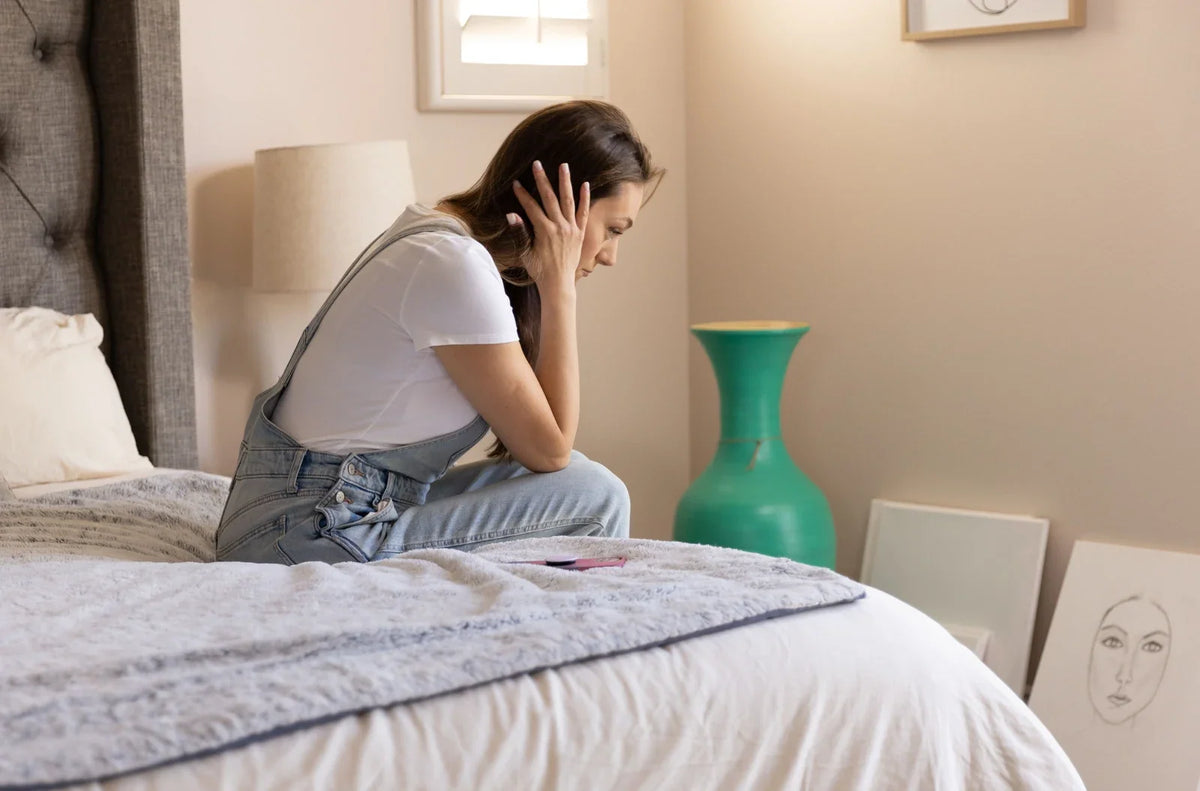
Quick answer: To sleep with noisy neighbors through the wall, first notice what you hear and when. Move your bed away from the shared wall. Use well-fitted earplugs, such as QuietFit Earplugs, which reduce everyday noise by up to about 27 dB, depending on fit, or a steady background sound. Then agree on quiet hours with your neighbor, kindly.
It is late, you are tired, and the TV next door is still going. You can't quite make out the words, but you can hear the laugh track. Then the music starts. If that sounds familiar, you are not being fussy. You just want a calmer night, and there are a few simple ways to get closer to one.
Why noise through a shared wall keeps you awake
Walls do a decent job with some sounds and a poor job with others. Voices and TV dialogue come through as a low murmur that your brain keeps trying to follow. Bass from music or a soundbar travels through walls more easily than higher sounds, so you often feel the thump even when the melody is gone.
The bigger problem is that this kind of noise is irregular. A steady hum fades into the background. A burst of laughter or a door slam at midnight does not. The World Health Organization lists sleep disturbance among the main health concerns linked to environmental noise in its Environmental Noise Guidelines for the European Region. So it makes sense to take it seriously and plan around it.
Step 1: Figure out what you're hearing and when
Before you buy anything or knock on a door, spend a few nights paying attention. A short note on your phone is enough.
- What is it: TV, music, voices, bass, or something else?
- What time does it start and stop?
- Which room and which wall does it seem to come from?
- Is it every night, or mostly weekends?
This helps in two ways. You will know which fix fits best, and if you talk to your neighbor later, you can be specific instead of vague.
Step 2: Change the bedroom side of the wall
Move the bed and headboard away from the shared wall
This is often the easiest change with the most noticeable result. If your headboard sits against the shared wall, your ears are as close to the noise as they can be. Try the bed on another wall, or even turn it around. If the room is small, a gap of a few inches still helps a little.
Soft stuff that helps a little: bookshelf, rug, curtains
A full bookshelf against the shared wall adds mass between you and the noise. A rug and heavy curtains soften echo inside your own room. Be realistic, though. These things take the sharpness off, but they won't turn a thin wall into a thick one, and they do little against bass. Think of them as a small extra layer, not the whole answer.
Step 3: Earplugs and sound masking
How to get a good earplug fit
Earplugs only help as much as they fit. A plug that sits loosely lets sound slip around it. Take a moment to seat each one gently and check it feels snug and comfortable. Our guide on how to insert reusable earplugs walks through it.
QuietFit Earplugs are soft, reusable silicone earplugs made to take the edge off everyday noise at bedtime. They reduce everyday noise by up to about 27 dB, depending on fit. They won't remove every sound, but they can turn a clear voice into a soft background murmur.
Earplugs vs white noise for voices and bass
Earplugs lower how loud the noise is. White noise or a fan works differently. It fills the room with a steady sound so sudden noises stand out less. Many people find steady sound helps with voices, while earplugs help more when the noise is simply loud. Some use both. We compare them in more detail in earplugs vs white noise.
If you need to hear an alarm
If you rely on a phone alarm, a vibrating alarm or a louder tone may help. See our tips on hearing your alarm with earplugs in.
Step 4: Talking to your neighbor
Many neighbors have no idea how much sound travels. A calm, friendly chat often works better than you expect. Pick a relaxed moment, not midnight when you are frustrated.
You could say something like: "Hi, I'm next door. I don't think you can tell, but the TV carries right into my bedroom. Would it be possible to turn it down after 11 on weeknights?"
- Name a specific time, not just "at night."
- Mention the wall or room, so they can move a speaker or TV.
- Offer to do the same for them.
If talking face to face feels awkward, a short, friendly note works too. Keep it light and thank them in advance.
When to go further: landlord, building rules
If the noise keeps going after a polite conversation, check your lease or building rules. Many buildings set quiet hours. Your landlord or building manager may be able to help, and your notes from Step 1 make that conversation easier. Local rules differ from place to place, so check what applies where you live.
FAQ
Do earplugs help with a neighbor's bass?
They can soften it, but deep bass is the hardest sound to reduce, and you may still feel some of it. Moving your bed off the shared wall and adding a steady background sound can help alongside earplugs.
Is it rude to ask neighbors to be quieter at night?
No. Asking politely, at a calm moment and with a specific time in mind, is a normal part of sharing a building. Most people would rather know than keep you awake.
Does white noise cover talking through walls?
It often makes voices less noticeable, because the words blend into the steady sound. It works best at a comfortable volume, not turned up to compete.
Is it safe to sleep with earplugs every night?
Many people do. Keep them clean, insert them gently, and stop if you notice pain or discomfort. Read more in can you sleep with earplugs every night.
What if the noise is upstairs footsteps?
Footsteps travel through the floor and ceiling, which calls for a slightly different plan. See how to sleep with noisy upstairs neighbors.
A short checklist for tonight
- Note what you hear and when.
- Move your bed away from the shared wall.
- Fit your earplugs snugly, or add a steady background sound.
- Plan a friendly word with your neighbor.
Small changes add up. If you'd like a soft, reusable option for your nightstand, QuietFit Earplugs are made to make a quieter moment easier to find.



Share:
Why Do We Yawn When We're Tired?
Does Sleeping Naked Help You Sleep? An Honest Look